Showing posts with label religious. Show all posts

Friday, April 12, 2013

Boudhanath


Boudhanath (also called Boudha, Bouddhanath or Baudhanath or the Khāsa Caitya) is one of the holiest Buddhist sites in Kathmandu (Yambu), Nepal. It is known as Khāsti in Nepal Bhasa Jyarung Khasyor in Tamang language or as Bauddha by modern speakers of Nepali. Located about 11 km (6.8 miles) from the center and northeastern outskirts of Kathmandu, the stupa's massive mandala makes it one of the largest spherical stupas in Nepal. The Buddhist stupa of Boudhanath dominates the skyline. The ancient Stupa is one of the largest in the world. 


The influx of large populations of refugees from Tibet has seen the construction of over 50 Tibetan Gompas (Monasteries) around Boudhanath. As of 1979, Boudhanath is a UNESCO World Heritage Site. Along with Swayambhunath, it is one of the most popular tourist sites in the Kathmandu area. The Stupa is on the ancient trade route from Tibet which enters the Kathmandu Valley by the village of Sankhu in the northeast corner, passes by Boudnath Stupa to the ancient and smaller stupa of Cā-bahī (often called 'Little Boudnath'). It then turns directly south, heading over the Bagmati river to Patan - thus bypassing the main city of Kathmandu (which was a later foundation). Tibetan merchants have rested and offered prayers here for many centuries. When refugees entered Nepal from Tibet in the 1950s, many decided to live around Bouddhanath. The Stupa is said to entomb the remains of Kassapa Buddha.


Friday, October 05, 2012

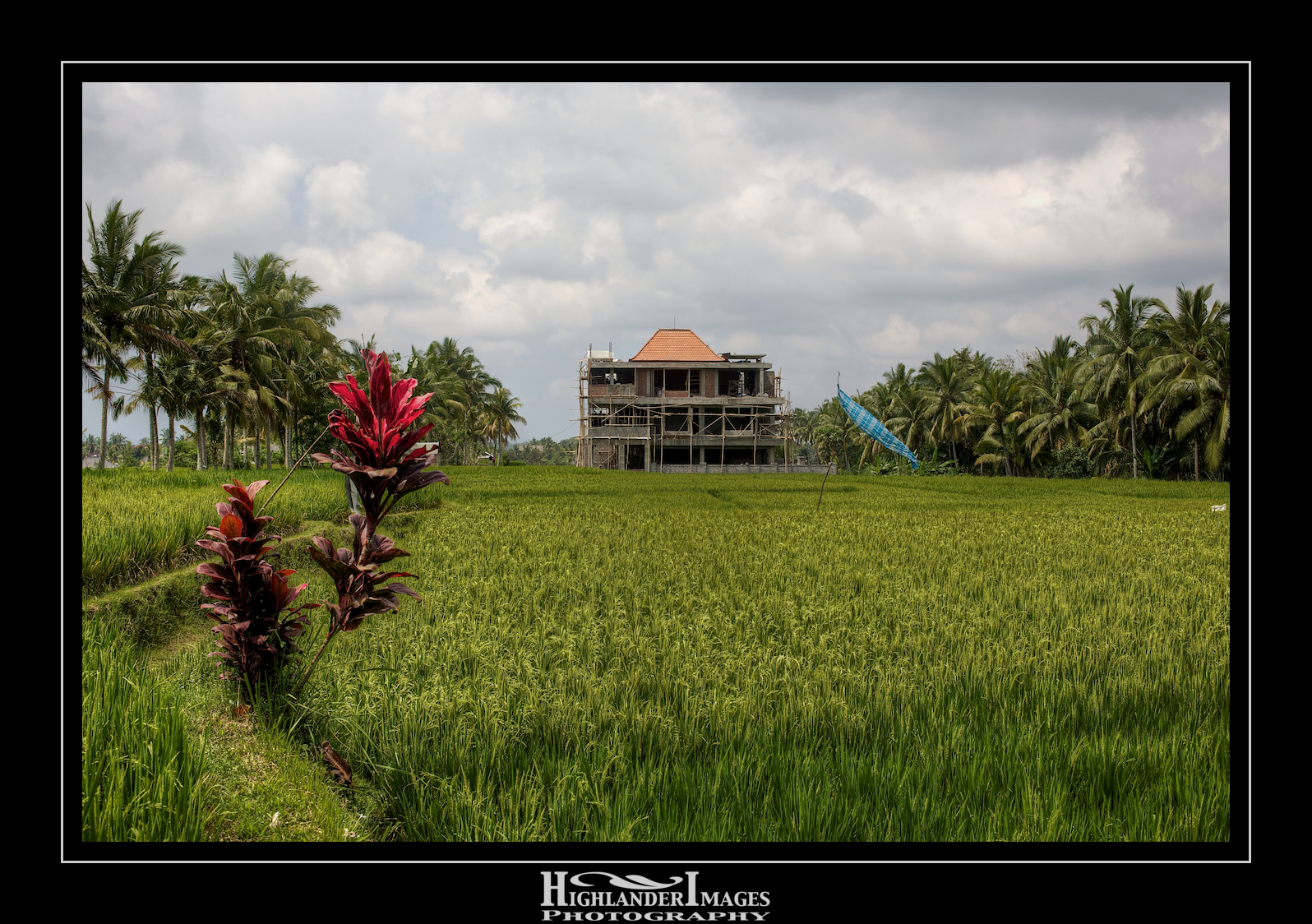
Rice Bowl of Bali


With the rich and fertile volcanic soils and plentiful water, rice cultivation in Bali is of key agricultural importance and is well known worldwide for its unique and efficient use of irrigation water in the many terraced paddy fields.  One of the fundamental backbones of this rice production is the subak.  Subak is the name of water management or irrigation system for paddy fields in Bali. For Balinese, irrigation is not simply providing water for the rice plants, but water is used to construct a complex, artificial ecosystem. Paddy fields in Bali are built around water temples and the allocation of water is supervised by a priest.


The subak comprises many individual parts:
  • a dam and collectively owned irrigation canals 
  • the rice terraces within clearly defined subak boundaries 
  • all the farmers who cultivate land within the subak  boundaries
  • a religious unit consisting of rituals on the individual level, the subak level, and the inter- subak level
  • a legal unit, with a clearly defined set of rules that regulates the rights and duties of its members


With the growth of tourism and urbanisation in Bali the subak is coming under increasing pressure. with farmers tempted to sell their rice fields and move into other more lucrative jobs such as construction or tourism. The highly productive arable land is unfortunately getting lost at an accelerated rate due to excessive building and tourist activities.