Showing posts with label Gironde. Show all posts
Tuesday, July 10, 2012
La Citadelle de Blaye.
On the right bank of the Gironde Estuary 56km north of Bordeaux lies the old Citadelle de Blaye which historically guarded the main entry point to Bordeaux.
In ancient times Blaye (Blavia) was a port of the Santones. Tradition states that the Frankish hero Roland was buried in its basilica, which was on the site of the citadel. It was early an important stronghold which played an important part in the wars against the English (who burnt it in 1352) and the French Wars of Religion (when it was the site of a Spanish naval victory in 1593). The duchess of Berry was imprisoned in its fortress in 1832-1833.
The town was formerly named Blaye-et-Sainte-Luce and was renamed Blaye in June 1961.
The town has a citadel built by Vauban on a rock beside the river, and embracing in its ancient ruins of an old Gothic château. The latter contains the tomb of Charibert II, king of Aquitaine, and son of Clotaire II. Blaye is also defended by the Fort Paté on an island in the river and the Fort Médoc on its left bank, both of the 17th century.
The citadel of Blaye, its city walls, the Fort Paté and the Fort Médoc (the latter in nearby Cussac-Fort-Médoc) were listed in 2008 as UNESCO World Heritage Sites, as part of the "Fortifications of Vauban" group.
Labels:
Blavia,
Blaye,
Blaye-et-Sainte-Luce,
Bordeaux,
citadelle,
fort,
fort medoc,
fort pate,
France,
Gironde,
historical,
UNESCO,
vauban,
world heritage
Saturday, July 07, 2012
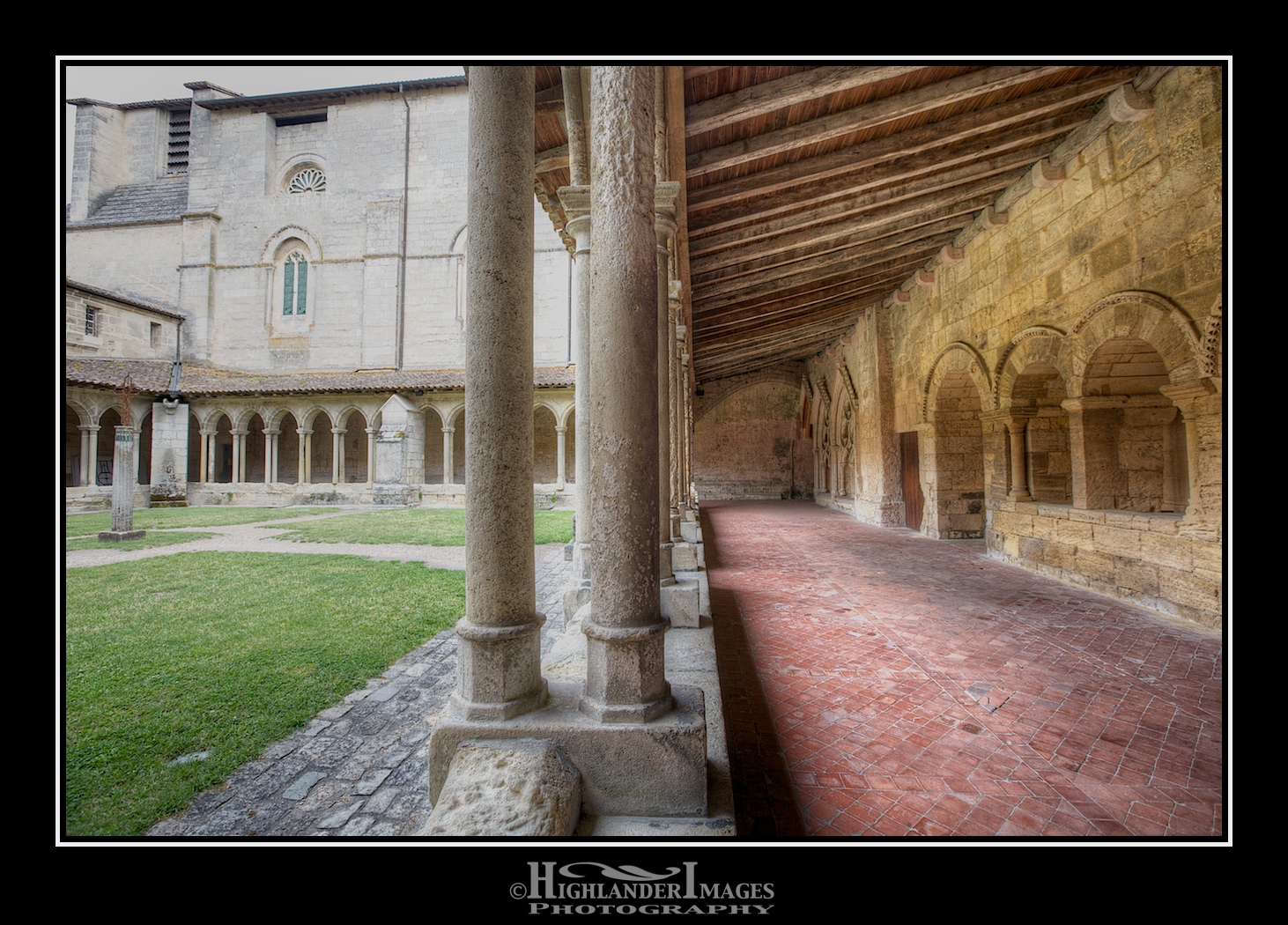
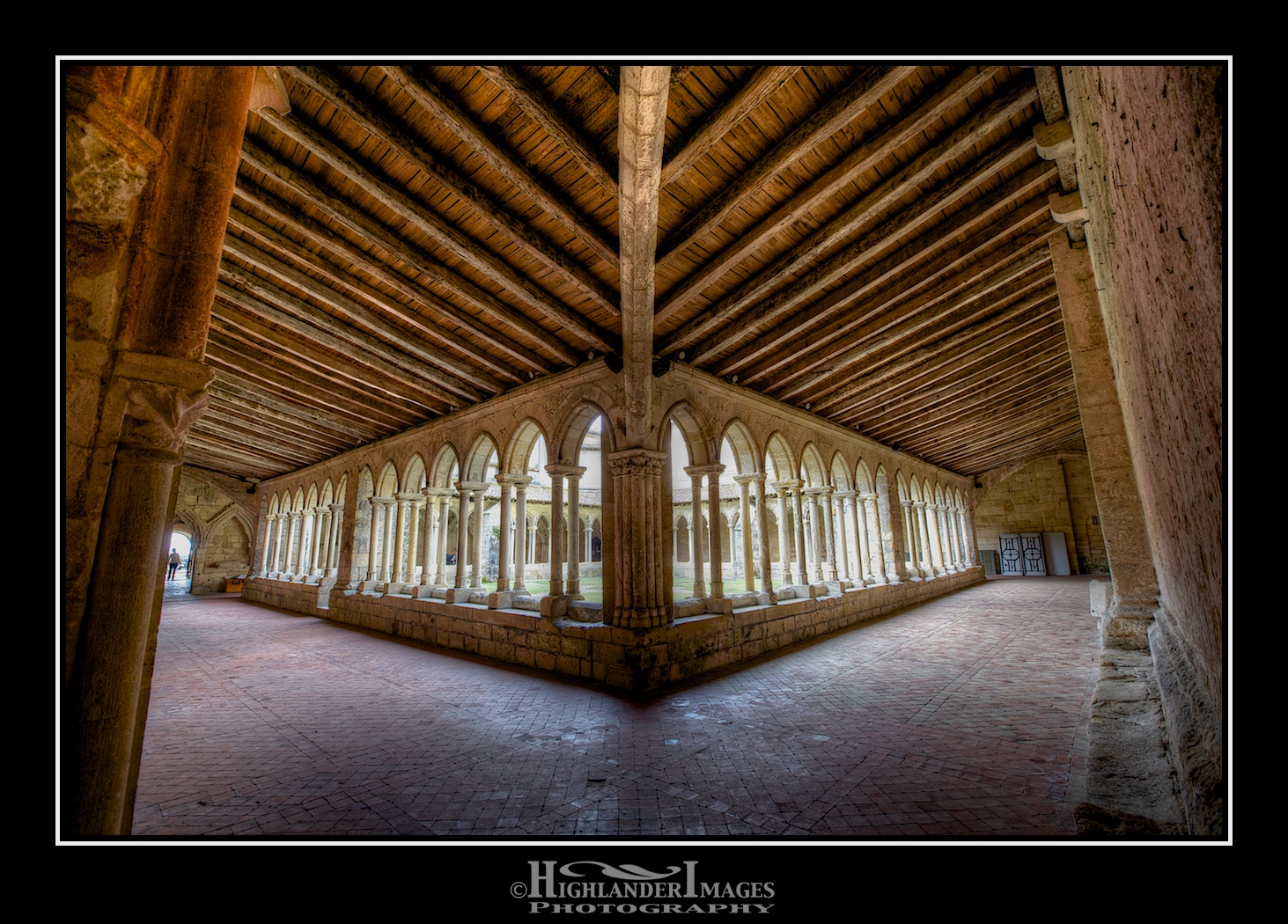
Saint-Émilion - A World Heritage Site
Saint-Émilion is an ancient town going back to prehistoric times situated in south-west France east of Bordeaux. It is a World Heritage site, with fascinating Romanesque churches and ruins stretching all along steep and narrow streets.
The Romans planted vineyards in what was to become Saint-Émilion as early as the 2nd century. The town was named after the monk Émilion, a travelling confessor, who settled in a hermitage carved into the rock there in the 8th century. It was the monks who followed him that started up the commercial wine production in the area.
If you like wine and good food then what better place to visit than Saint-Émilion which seems to be full of wine shops and restaurants. Saint-Émilion is one of the principal red wine areas of Bordeaux along with the Médoc, Graves and Pomerol. The region is much smaller than the Médoc and adjoins Pomerol. As in Pomerol and the other appellations on the right bank of the Gironde, the primary grape varieties used are the Merlot and Cabernet Franc, with relatively small amounts of Cabernet Sauvignon also being used by some chateaux.
Labels:
Cabernet Franc,
Cabernet Sauvignon,
catacombs,
chateaux,
France,
Gironde,
grand cru,
Graves,
hermitage,
Medoc,
Merlot,
monastery,
monks,
monolithic,
Pomerol,
Roman,
Saint-Émilion,
wine,
world heritage
Subscribe to:
Posts (Atom)