

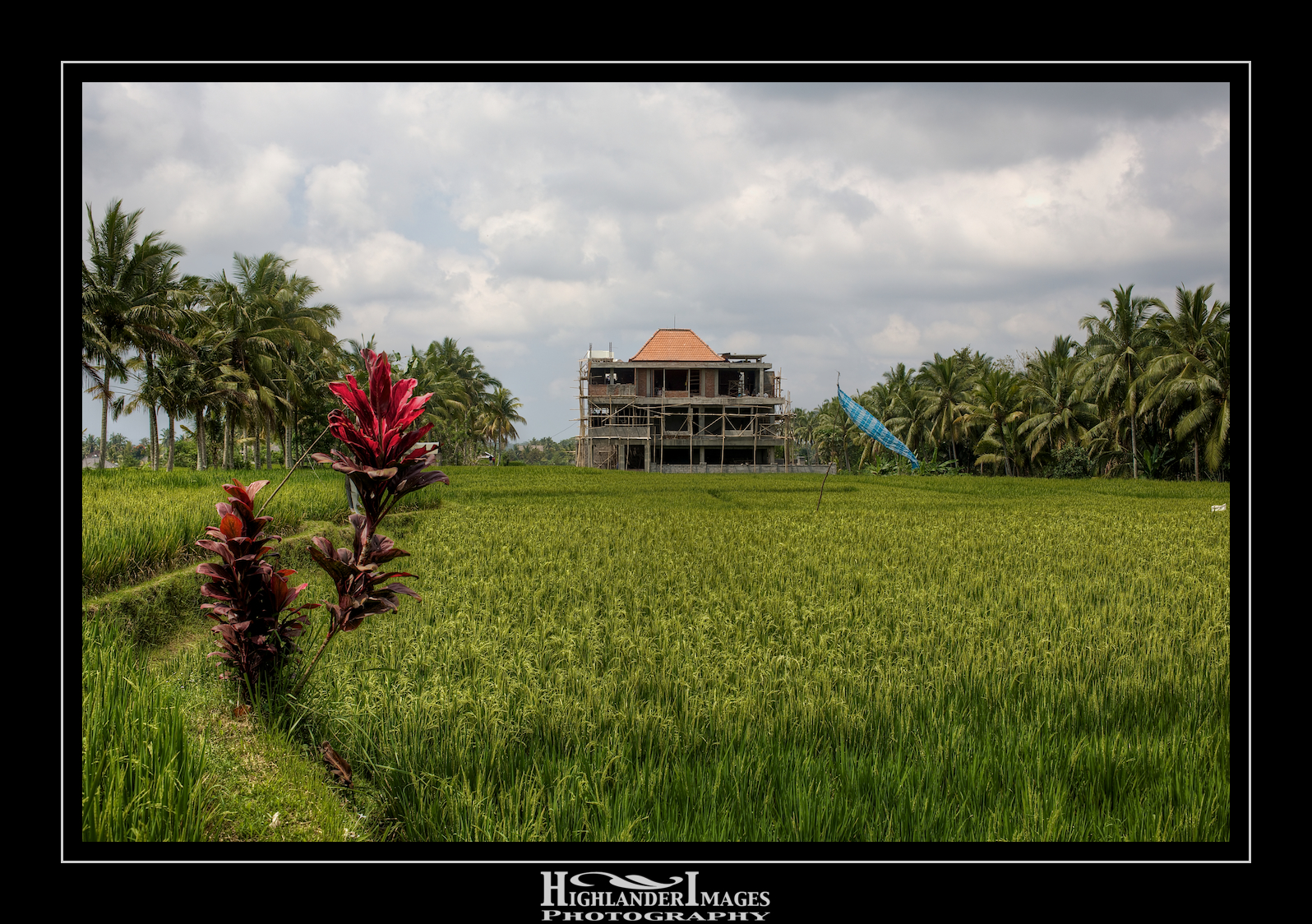
With the rich and fertile volcanic soils and plentiful water, rice cultivation in Bali is of key agricultural importance and is well known worldwide for its unique and efficient use of irrigation water in the many terraced paddy fields. One of the fundamental backbones of this rice production is the subak. Subak is the name of water management or irrigation system for paddy fields in Bali. For Balinese, irrigation is not simply providing water for the rice plants, but water is used to construct a complex, artificial ecosystem. Paddy fields in Bali are built around water temples and the allocation of water is supervised by a priest.


The subak comprises many individual parts:
- a dam and collectively owned irrigation canals
- the rice terraces within clearly defined subak boundaries
- all the farmers who cultivate land within the subak boundaries
- a religious unit consisting of rituals on the individual level, the subak level, and the inter- subak level
- a legal unit, with a clearly defined set of rules that regulates the rights and duties of its members


With the growth of tourism and urbanisation in Bali the subak is coming under increasing pressure. with farmers tempted to sell their rice fields and move into other more lucrative jobs such as construction or tourism. The highly productive arable land is unfortunately getting lost at an accelerated rate due to excessive building and tourist activities.






 Posts
Posts


